Sustainability, defined as meeting the needs of the present without compromising the ability of future generations to meet their needs, is a critical concept in today’s world. Within the realm of property management, using sustainable practices is not just an ethical choice but also a strategic one.
Construction
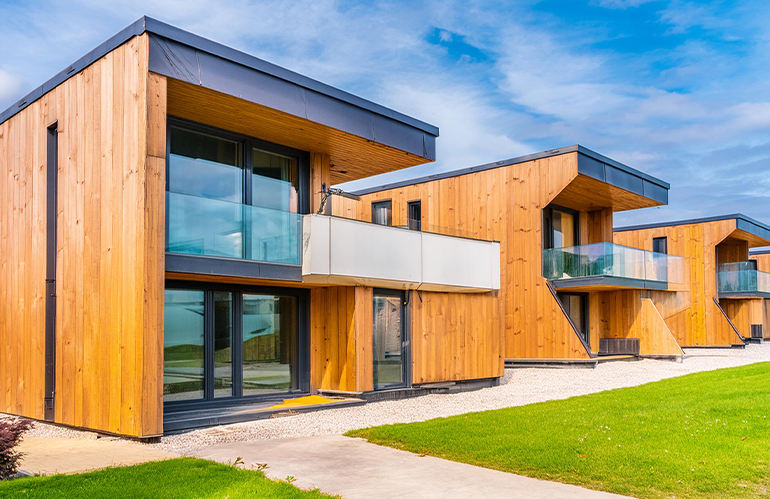
The first stage at which the sustainability of a property can be improved is during design and construction. Sustainable construction involves the use of renewable and recyclable materials to reduce energy consumption and waste production. Practices include limiting materials, controlling waste management, constructing green buildings, reusing old structures, and conserving energy. Energy-efficient design incorporates insulation, air tightness, solar design, low-temperature heating, and renewable energy sources. Use of renewable energy sources such as solar panels or hydroelectric systems can have a strongly positive impact on sustainability. Smart building technologies that can control factors such as lighting, heating, or air conditioning may further improve this.
Water Conservation
Within a property, there are a few main areas of interest when it comes to sustainability, the first of which is water conservation. Reducing water usage, fixing leaks, and implementing water efficient fixtures such as low-flow shower heads or sinks with auto-shutoff mechanisms help to reduce water usage. Stormwater management practices such as rain gardens and permeable pavements may also play a crucial role in water conservation.
Waste Management
Proper waste management, involving reducing waste generation or promoting recycling also impacts the sustainability of a property. Composting initiatives can contribute to minimizing organic waste and promoting a circular economy.
Sustainable Transport
Encouraging sustainable transportation options may also help to reduce the carbon footprint associated with property management. Methods may include promoting public transport, installing bike ranks and electric vehicle charging stations, or offering shuttle services for residents.
Sustainability Certifications
Certain certifications provide frameworks for assessing and promoting sustainable practices in property management. LEED (Leadership in Energy and Environmental Design) provides a framework for healthy, highly efficient and cost-saving green buildings, whilst BREEAM (building research establishment environmental assessment method) provides a method in which to judge sustainability for new constructions, in-use buildings or refurbishments. EPC certification is a rating scheme to summarise the energy efficiency of a building and can be used to implement improvements to sustainability.
Challenges in Sustainability
Adoption of sustainable property management practices faces challenges such as lack of government incentives, resistance to change from traditional technologies, and limited availability of sustainable construction techniques in local markets. Additionally, the need for specialized knowledge in sustainable techniques and the increased workload for green building pose obstacles.
Sustainable property management practices not only contribute to environmental responsibility but also result in cost savings, increased property value, and a positive impact on global carbon emissions. Overcoming challenges requires collaboration between government bodies and professions to promote and incentivize sustainable practices. By embracing these practices, property managers can play a pivotal role in building a greener, more sustainable future for generations to come.